
Whether you are a seasoned forestry contractor or just starting to explore the world of forestry machinery rentals, staying informed is one of the most powerful tools at your disposal. The forestry sector is constantly evolving — new equipment models, shifting rental markets, updated safety standards, and smarter operational practices emerge every year. This blog is your dedicated space to explore all of these topics in depth, with practical insights designed to help you make better decisions on every job site. From choosing the right harvester for your terrain to understanding the true cost of renting versus buying, the content here is built around what professionals like you actually need to know.
Why forestry machinery knowledge matters more than ever
Modern forestry operations depend heavily on equipment performance. A machine that is poorly matched to the terrain, incorrectly maintained, or operated outside its optimal parameters can cost thousands in lost productivity, unplanned repairs, or even safety incidents. The stakes are high, and that is precisely why forestry machinery insights are not just interesting — they are essential.
Over the past decade, the industry has seen a significant shift toward mechanised harvesting. Manual logging operations are increasingly being replaced or supported by advanced machines such as wheeled or tracked harvesters, forwarders, and forestry mulchers. Each of these machine types has its own strengths, limitations, and best-use scenarios. Understanding those nuances helps contractors bid more accurately, plan operations more effectively, and deliver better results for their clients.
This blog covers the full spectrum of topics relevant to modern forestry professionals, including:
- Equipment comparisons and selection guides
- Rental market trends and cost breakdowns
- Maintenance schedules and service best practices
- Operator tips for improving efficiency and safety
- Industry news and emerging technologies
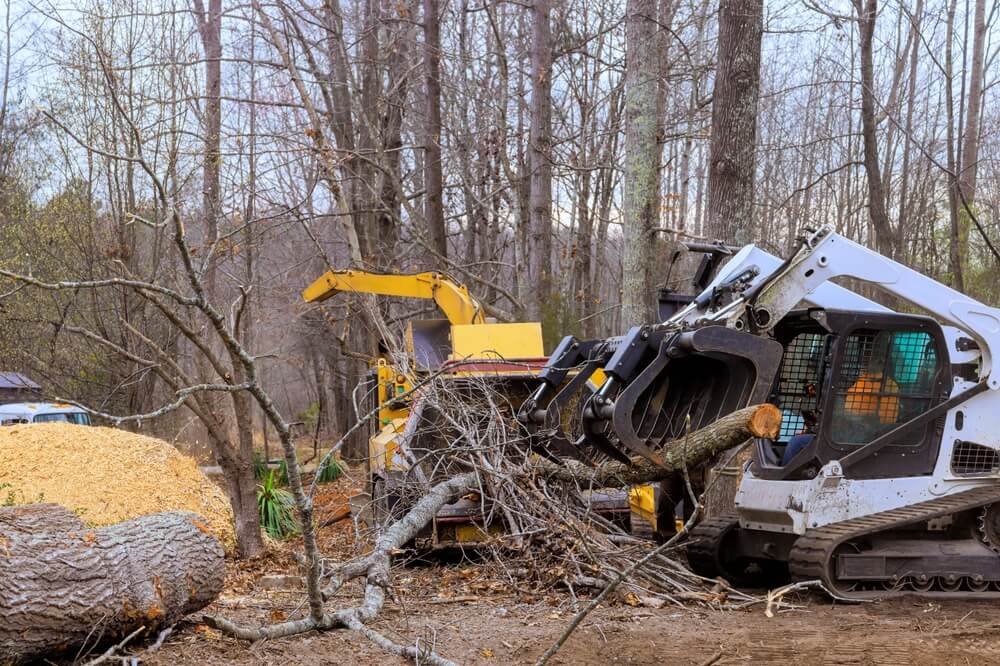
Forestry machinery rentals: what every operator should know
One of the most frequently discussed topics in the forestry industry is the decision between renting and purchasing equipment. For many contractors, forestry machinery rentals offer a flexible, cost-effective solution — especially for short-term projects, seasonal work, or when testing a machine type before committing to a full purchase.
Renting allows operators to access the latest equipment without the burden of depreciation, storage costs, or long-term maintenance commitments. It also provides the flexibility to scale up or down depending on the size and nature of each contract. However, making the most of a rental agreement requires careful planning. Operators need to understand rental terms, daily versus weekly rate structures, insurance obligations, and what is included in the service package.
Our articles on equipment rentals break down these factors in plain language, so you can evaluate offers confidently and avoid common pitfalls. We also provide guidance on questions you should always ask a rental supplier before signing an agreement, including machine age, service history, and breakdown support availability.
Practical tips for operating forestry machinery safely and efficiently
Even the most advanced harvester or forwarder is only as good as the operator behind the controls. One of the core goals of this blog is to share operational best practices that help forestry professionals get more out of every shift — safely and sustainably.
Terrain assessment is one area that is often underestimated. Before deploying any machine, operators should evaluate slope gradients, soil bearing capacity, and ground moisture levels. Sending a high-capacity harvester into soft, waterlogged ground without proper planning can lead to bogging, machine damage, and significant project delays. Our terrain assessment guides walk you through the key checks to perform before mobilisation.
Fuel efficiency is another major topic we cover in depth. Modern forestry machines are powerful, but they can also consume significant amounts of fuel. Simple adjustments to operator technique — such as engine speed management, boom movement optimisation, and load cycle timing — can reduce fuel consumption by a measurable percentage across a full working week. These savings add up quickly on longer contracts.
Safety, of course, remains the highest priority. Our safety-focused articles address topics such as:
- Pre-operational inspection checklists for harvesters and forwarders
- Safe working zones and exclusion distances
- Managing machine stability on slopes
- Communication protocols on active harvest sites
- Emergency procedures for machine incidents
Equipment comparisons and buying guides for forestry professionals
Choosing between different makes and models of forestry equipment can feel overwhelming. Manufacturers such as John Deere, Ponsse, Komatsu Forest, Tigercat, and Log Max all produce excellent machines, but each has distinct features that make it more or less suitable for particular applications. Our equipment comparison articles are designed to cut through the marketing noise and present the technical facts that actually matter to operators.
For example, comparing a wheeled harvester to a tracked harvester is not simply about price. Ground pressure, manoeuvrability, cycle times, attachment compatibility, and service network availability all play a role in determining which machine is right for a given operation. Our comparison guides present these factors side by side, making it easier to identify the best fit for your specific working conditions.
We also publish buying guides for those considering a purchase rather than a rental. These guides cover key evaluation criteria, red flags to watch for when inspecting used machines, and how to assess the total cost of ownership over a machine’s operational lifespan. Whether you are looking at harvesting heads, mulcher attachments, or full forwarder units, our guides provide a structured framework for making confident purchasing decisions.
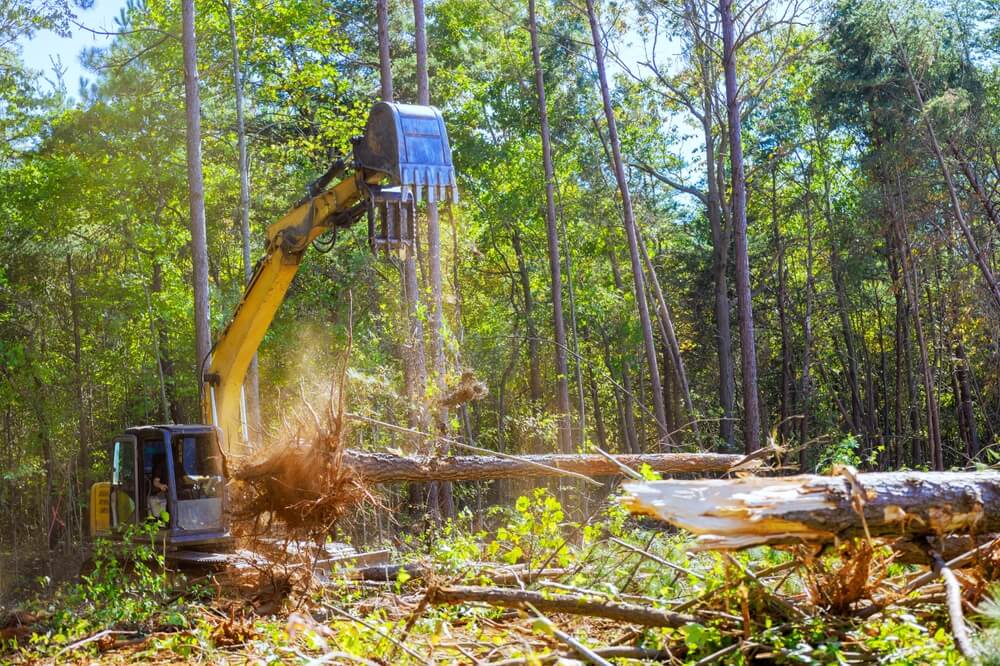
Stay ahead with up-to-date forestry industry insights
The forestry machinery sector does not stand still, and neither does this blog. We regularly publish industry updates covering new equipment releases, changes to certification and compliance requirements, sustainability trends, and innovations in precision forestry technology. GPS-guided harvesters, remote monitoring systems, and hybrid-powered machines are no longer concepts of the future — they are entering active use on job sites around the world, and understanding them will increasingly define who stays competitive in this industry.
We also cover the rental market from a business perspective, including how rental pricing fluctuates with demand, how regional equipment availability affects project planning, and what long-term trends suggest about where the market is heading. This kind of strategic insight helps forestry businesses plan ahead rather than simply react to changing conditions.
Conclusion
This blog exists because good decisions in forestry start with good information. Whether you are comparing rental options, researching a new machine purchase, looking to improve your operating technique, or simply staying current with industry developments, the articles published here are written to be genuinely useful — not just informative on the surface. Explore our full library of forestry machinery insights and tips, and if you have questions about equipment rentals or want personalised guidance for your operation, visit Harvesting Machine Rentals today and get in touch with our team.