
Forestry machinery operates in some of the most demanding environments imaginable — rough terrain, extreme temperatures, wood debris, and constant mechanical stress. Without a consistent and thorough maintenance routine, even the most robust harvester or forwarder can break down at the worst possible moment, costing time, money, and productivity. Proper maintenance of forestry machinery is not just about preventing failures; it is about extending equipment lifespan, maximizing uptime, and ensuring safe operations on every job site. Whether you own your machines or rent them for a specific project, following the right maintenance practices makes all the difference.
Why regular maintenance matters for forestry equipment
Forestry machines such as harvesters, forwarders, skidders, and mulchers work under continuous load for hours at a time. Neglecting routine inspections and servicing leads to accelerated wear, unexpected breakdowns, and costly repairs. More importantly, poorly maintained machines pose serious safety risks to operators and crews working nearby.
The financial impact of unplanned downtime in forestry operations is significant. A harvester sitting idle for even a day can disrupt an entire logging schedule, delay deliveries, and affect profitability. Preventive maintenance is always more cost-effective than reactive repairs, and it helps maintain the resale or return value of the equipment when rentals are concluded.
Beyond economics, regulatory compliance often requires machinery to meet certain operational and safety standards. Keeping detailed maintenance logs protects contractors and forestry companies in case of audits or insurance claims.
Daily maintenance checks every operator should perform
The foundation of a solid maintenance program begins with daily pre-shift and post-shift inspections. Before starting any forestry machine, operators should systematically check a set of critical components to identify any issues before they become serious problems.
- Fluid levels: Check engine oil, hydraulic fluid, coolant, and fuel levels before every shift. Low fluid levels are among the most common causes of mechanical failure in forestry equipment.
- Air filters: Inspect and clean air filters daily, as forest environments generate high levels of dust, bark particles, and wood fibers that quickly clog intake systems.
- Tracks and tires: Look for signs of wear, cuts, or damage. Loose track tension should be corrected immediately to avoid derailment on uneven ground.
- Hydraulic hoses and fittings: Check for leaks, abrasion, or signs of fatigue. Hydraulic failures in the field are both dangerous and expensive to repair.
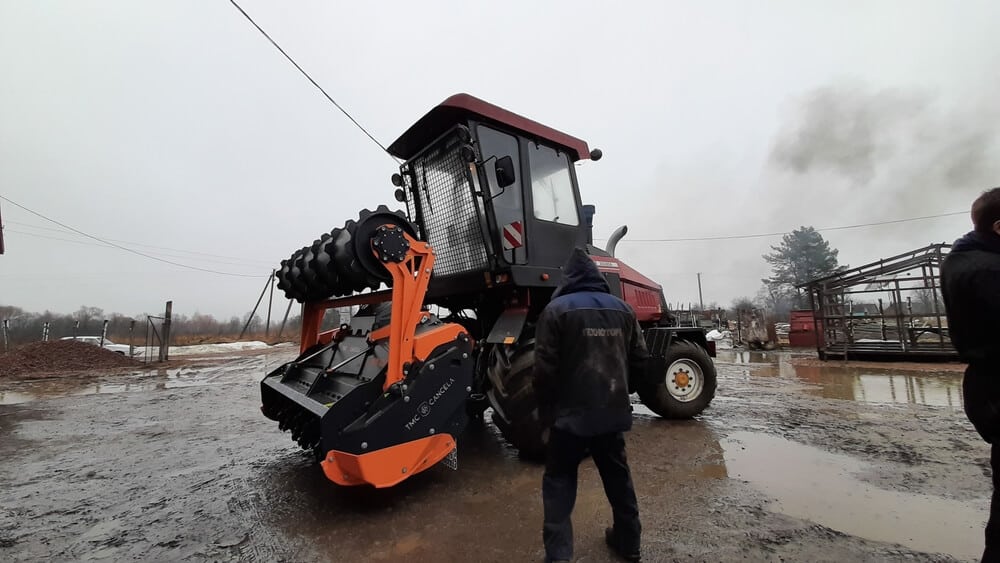
- Cutting heads and attachments: Inspect harvesting heads, saw bars, chains, and mulching drums for damage, loose bolts, or dull cutting edges.
- Lubrication points: Grease all specified lubrication points according to the manufacturer’s schedule, paying special attention to high-stress pivot points and slewing rings.
Taking 15 to 20 minutes before and after each shift to run through these checks can prevent the vast majority of avoidable breakdowns in forestry operations.
Scheduled servicing and long-term maintenance for forestry machinery
Beyond daily checks, every piece of forestry equipment requires scheduled servicing based on operating hours. Manufacturer guidelines typically specify service intervals at 250, 500, and 1,000-hour milestones, each involving progressively deeper inspections and component replacements.
At the 250-hour mark, common service tasks include changing engine oil and filters, inspecting the cooling system, checking belt tensions, and verifying electrical connections. At 500 hours, technicians should additionally inspect the hydraulic system for contamination, check the condition of hoses and cylinders, and lubricate all boom and arm pivot points with fresh grease.
At 1,000 hours, more comprehensive work is required, such as replacing hydraulic return filters, inspecting the undercarriage for wear, checking the cab’s HVAC system, and testing all safety devices including emergency stops and falling object protective structures (FOPS).
It is equally important to use only manufacturer-recommended fluids and parts during scheduled servicing. Generic or incompatible components may appear to save money in the short term but often lead to premature wear and warranty complications.
Maintaining hydraulic systems in forestry machines
The hydraulic system is the lifeblood of virtually every modern forestry machine. Harvesters, forwarders, and mulchers all rely on hydraulic power to operate booms, cutting heads, log grippers, and drive systems. Hydraulic maintenance deserves its own attention due to the complexity and criticality of these systems.
Keeping hydraulic fluid clean is paramount. Contaminated fluid — carrying water, metal particles, or debris — accelerates wear on pumps, valves, and cylinders at a dramatic rate. Using sealed containers when adding fluid and replacing filters at the correct intervals are essential habits. Many modern forestry machines are equipped with hydraulic oil condition monitors that alert operators when fluid quality deteriorates.
Temperature management is another critical factor. Hydraulic systems operating at excessive temperatures suffer from fluid degradation and seal failure. Regularly cleaning hydraulic coolers and ensuring proper airflow around heat exchangers will prevent overheating, especially during high-demand operations in summer conditions.
Always inspect hydraulic cylinders for signs of seal wear or rod scoring after any heavy-duty operation. Early detection of cylinder issues allows for straightforward repairs before a seal failure causes complete loss of function in the field.

Winter and seasonal maintenance considerations
Forestry operations often continue year-round, and seasonal changes bring specific maintenance challenges that should not be overlooked. Cold weather affects fluid viscosity, battery performance, and the flexibility of rubber seals and hoses.
Before the onset of winter, ensure that all fluids are rated for low-temperature operation. Switch to appropriate hydraulic fluids and engine oils that remain fluid in sub-zero conditions. Check and replace battery cells if needed, as cold weather dramatically reduces battery capacity. Preheating systems should be inspected and tested to ensure reliable cold starts.
In wet spring conditions, pay extra attention to undercarriage components and track systems, as prolonged mud exposure accelerates corrosion and abrasive wear. Cleaning machines thoroughly after muddy operations and applying protective coatings to exposed metalwork extends component life significantly.
Conversely, summer operations demand increased attention to cooling systems. Regularly blow out radiator and cooler cores to remove leaf debris and wood fiber buildup that restricts airflow and causes overheating.
Keeping your forestry machinery running at its best
Adopting a disciplined maintenance culture in your forestry operation is one of the most impactful investments you can make. Consistent maintenance of forestry machinery reduces operating costs, prevents costly downtime, extends equipment lifespan, and most importantly, protects the safety of everyone on site. Whether you are managing a fleet of harvesters or preparing a rented forwarder for a short-term project, these maintenance practices apply equally.
Explore more expert guides, equipment comparisons, and maintenance resources at Harvesting Machine Rentals. Our platform is built to help forestry professionals make smarter decisions about their equipment — from selection and rental to daily operation and long-term care. Visit our website today and discover the tools and insights you need to keep your operations running smoothly.