
Keeping your forestry equipment in peak condition is not just about avoiding breakdowns — it is about maximising uptime, protecting your investment, and ensuring every operation runs safely and efficiently. A well-structured seasonal forestry equipment maintenance checklist gives contractors, forestry companies, and land managers a reliable framework to stay ahead of wear and tear throughout the year. Whether you operate harvesters, forwarders, forestry mulchers, or harvesting heads, following a season-by-season approach ensures nothing gets overlooked and your machines are always ready for the demands ahead.
Why seasonal maintenance matters for forestry machinery
Forestry machines operate in some of the harshest environments imaginable — mud, standing water, extreme cold, dense debris, and relentless mechanical stress. Unlike standard construction equipment, forestry machinery faces unique seasonal pressures: frozen hydraulic lines in winter, overheating risks in summer, and contamination from wet conditions during autumn harvesting. Treating maintenance as a once-a-year event leaves too much to chance.
A seasonal approach allows you to align maintenance tasks with the actual demands placed on your equipment. It reduces unexpected failures during peak operational periods, lowers long-term repair costs, and extends the working life of your machines significantly. More importantly, it keeps operators safe and helps you remain compliant with industry safety standards.
Spring maintenance checklist: preparing for the season ahead
Spring is the ideal time to carry out a thorough inspection after the rigours of winter operations or extended storage. Before machines return to full-time service, work through the following tasks:
- Inspect all hydraulic hoses and fittings for cracks, leaks, or brittleness caused by cold temperatures
- Change engine oil, hydraulic fluid, and coolant if not completed at the end of the previous season
- Check and lubricate all grease points, including harvesting head bearings and boom joints
- Inspect track tension and undercarriage components for winter wear
- Test all electrical systems, sensors, and onboard computers
- Calibrate the harvesting head and check saw chain tension and sharpness
- Inspect air filters and replace if contaminated by fine particles from winter operations
- Check tire pressure on wheeled forwarders and inspect for sidewall damage
Spring maintenance also provides an opportunity to review any operator-reported issues from the previous season. Addressing minor problems now prevents them from escalating into costly failures mid-harvest.

Summer maintenance checklist: managing heat and high-demand periods
Summer is typically the most intensive period for forestry operations. Higher ambient temperatures create additional strain on cooling systems, hydraulics, and engine components. Your summer maintenance routine should focus on preventing overheating and managing the increased pace of wear.
- Check radiator and oil cooler cleanliness daily — debris and sawdust clog quickly in dry conditions
- Monitor hydraulic fluid temperature closely and inspect the cooling circuit regularly
- Inspect and replace fuel filters more frequently due to higher fuel consumption rates
- Check belt tensions and condition on all auxiliary drives
- Inspect delimbing knives and feed rollers on harvesting heads for accelerated wear
- Grease all pivot points and joints every 8 to 10 operating hours
- Check battery condition and terminals for corrosion in high-heat environments
- Inspect boom cylinders for seal leaks caused by thermal expansion
During summer, scheduling short weekly inspections between shifts can prevent minor issues from halting production at the worst possible time. Many operators set up simple daily walkaround checklists for machine operators to complete before each shift.
Autumn maintenance checklist: preparing for wet and demanding conditions
Autumn brings increased moisture, soft ground, and heavy logging demand as contractors rush to complete harvests before winter conditions set in. This season tests ground-bearing components, drive systems, and seals more than any other.
- Inspect and service forwarder bogie axles and drive chains for wear from soft ground operation
- Check all door and cab seals to prevent water ingress into electronic systems
- Inspect track shoes and pads for wear — replace worn components before conditions worsen
- Flush and replace hydraulic fluid if water contamination is suspected
- Check fuel tank breathers and fill caps for tight seals against moisture entry
- Lubricate slew rings and check torque on all major fasteners after summer operation
- Inspect the harvesting head feed mechanism and ensure anti-slip functions work correctly on wet timber
- Review and update your machine logbook with all completed maintenance records
Autumn is also the right moment to order spare parts and consumables for winter. Lead times on forestry machine components can be significant, and being caught without critical spares during peak operations can prove very costly.
Winter maintenance checklist: protecting equipment during cold and downtime
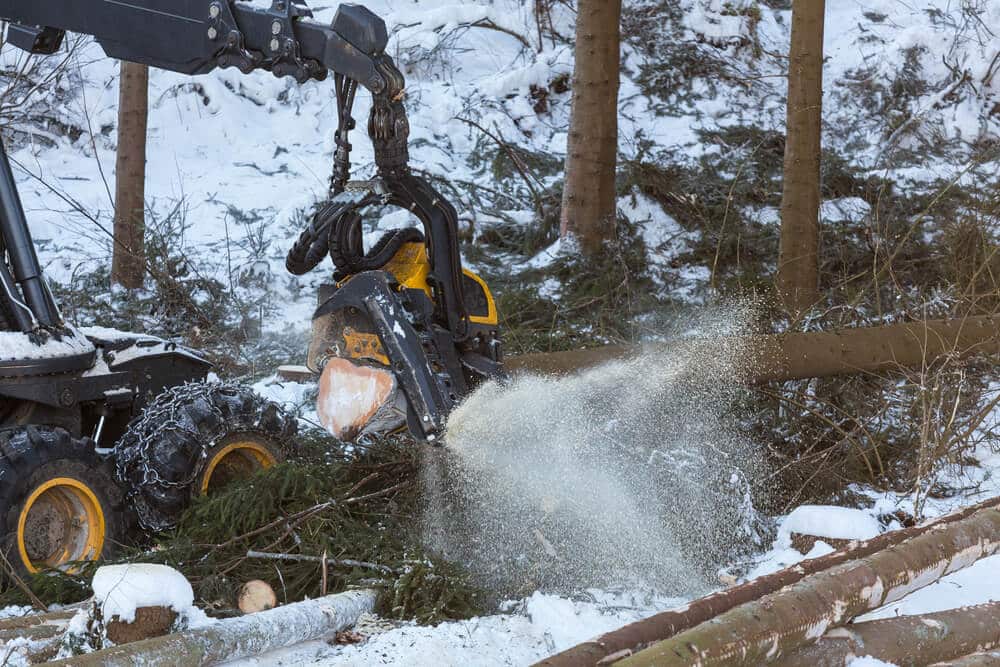
Winter presents unique challenges — from sub-zero temperatures affecting fluids and seals, to extended periods of machine storage where inactivity creates its own risks. A solid winter maintenance checklist protects your assets whether machines are working through the cold or sitting idle.
- Switch to low-viscosity winter-grade hydraulic fluid and engine oil suitable for cold starts
- Check antifreeze concentration in the cooling system and top up as needed
- Drain fuel water separators regularly to prevent ice blockages
- Inspect all rubber seals, boots, and hose protectors for cold-induced cracking
- For stored machines, run the engine periodically to prevent seals from drying out and to keep batteries charged
- Apply protective grease to exposed metal surfaces to prevent rust and corrosion
- Inspect the cab heating system and ensure all vents and filters are clean
- Check that all lighting systems function correctly — reduced daylight hours increase reliance on machine lighting
If machines are to be stored for extended periods, raise hydraulic cylinders to their extended position where safe to do so, protecting exposed chrome rods from corrosion and frost damage.
Conclusion: stay prepared with a year-round maintenance strategy
Following a structured seasonal forestry equipment maintenance checklist is one of the most effective ways to protect your machinery, reduce operating costs, and keep your forestry operations running smoothly through every condition the year brings. Whether you manage a single harvester or an entire fleet of forwarders and mulchers, consistency in maintenance is the difference between profitable uptime and expensive, avoidable breakdowns. Ready to find the right equipment for your next operation or need expert advice on forestry machinery management? Visit Harvesting Machine Rentals today to explore our resources, equipment guides, and rental solutions designed specifically for forestry professionals.