
Choosing the right equipment for a forestry operation is one of the most consequential decisions a contractor or land manager can make. With so many manufacturers competing for market share, understanding the strengths and weaknesses of each brand can save you significant time, money, and frustration. Whether you are evaluating options for a long-term purchase or looking to rent specialized machinery for a short-term project, this forestry machinery brand comparison will help you cut through the noise and identify which manufacturer best suits your operational needs and budget.
John Deere: industry reliability meets advanced technology
When it comes to forestry machinery brands, John Deere is consistently cited as one of the most trusted names in the industry. With decades of experience in heavy equipment manufacturing, the company has built a strong reputation for durability, dealer network coverage, and cutting-edge technology integration.
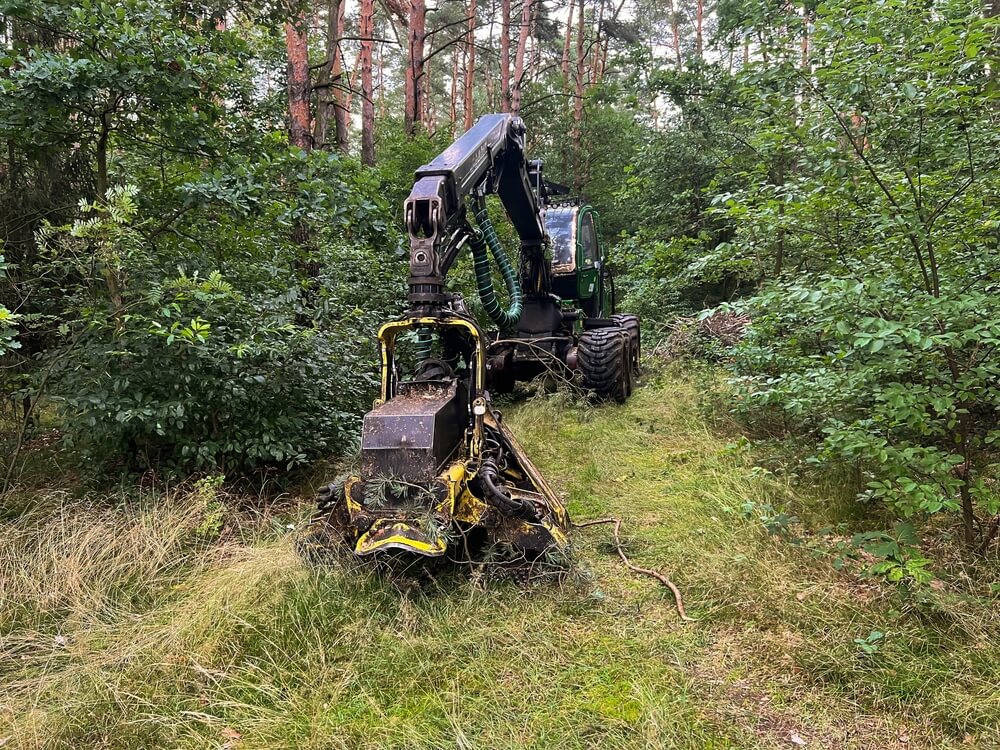
John Deere’s forestry lineup includes harvesters, forwarders, and feller bunchers, each engineered for demanding terrain and high-volume production. The brand’s Intelligent Boom Control (IBC) system is particularly valued by operators for reducing fatigue and improving precision during long shifts.
- Extensive dealer and service network across North America and Europe
- Strong resale value on used equipment
- Advanced telematics via JDLink for remote monitoring
- Wide range of harvesting heads compatible with third-party attachments
The main trade-off with John Deere is cost. Machines from this brand tend to carry a premium price tag, which can be a barrier for smaller operations. However, the long-term reliability and parts availability often justify the investment for high-production environments.

Ponsse: the Finnish standard for cut-to-length harvesting
Founded in Finland, Ponsse has built its entire identity around cut-to-length (CTL) forestry systems. The brand is widely respected in Scandinavian markets and has gained significant ground in North America, Canada, and parts of South America. Ponsse machines are purpose-built for CTL operations, which makes them a top choice for contractors focused on efficiency and timber quality.
What sets Ponsse apart is its commitment to single-focus innovation. Unlike competitors that manufacture a broad range of agricultural and construction equipment, Ponsse dedicates all its R&D resources exclusively to forestry. This specialization shows in the precision and ergonomics of machines like the Ponsse Scorpion harvester, which features a unique four-point leveling cabin that drastically improves operator comfort on steep slopes.
- Exclusive focus on forestry machinery ensures specialized expertise
- Highly regarded operator cabins with superior ergonomics
- Strong after-sales support through dedicated forestry service teams
- Excellent performance in CTL operations across varied terrain
Ponsse machines are typically priced at the higher end of the market, and their dealer network outside of Scandinavia and established North American markets can be limited. For remote operations, parts sourcing can occasionally present a challenge.
Komatsu Forest: a versatile global competitor
Komatsu Forest, the forestry division of the Japanese equipment giant Komatsu, offers a comprehensive range of harvesters and forwarders that compete directly with John Deere and Ponsse. The brand is particularly popular in Europe, Oceania, and South America, where it has established a strong service infrastructure.
Komatsu Forest machines are known for their robust construction and competitive pricing, making them an attractive option for operations that need reliable performance without paying a premium for brand prestige. The company’s MaxiXT harvesting head and the 931XC harvester are regularly highlighted in equipment comparisons for their productivity-to-cost ratio.
- Competitive pricing relative to comparable brands
- Strong global parts and service network backed by Komatsu infrastructure
- Versatile machine lineup adaptable to multiple forestry applications
- Consistent software updates improving machine diagnostics and performance
Some operators note that Komatsu Forest machines can feel slightly less refined than Ponsse in terms of cabin ergonomics, though recent model updates have addressed many of these concerns. For operations prioritizing value and broad serviceability, Komatsu Forest remains a compelling choice.
Tigercat: purpose-built power for high-demand applications
Tigercat Industries, a Canadian manufacturer, has established itself as a go-to brand for severe-duty forestry applications. Originally focused on feller bunchers and skidders for whole-tree harvesting, Tigercat has expanded its portfolio to include harvesters, forwarders, and mulchers designed to handle the most demanding conditions.
What makes Tigercat stand out is its engineering philosophy: every machine is designed from the ground up for forestry, with no compromises borrowed from agricultural or construction equipment lineups. This approach results in machines that are particularly durable in rugged terrain, wet conditions, and high-production environments. The Tigercat H855E harvester is frequently praised for its power-to-weight ratio and reliability in steep, rocky terrain.
- Exceptional durability in extreme operating conditions
- Strong reputation in North American whole-tree harvesting markets
- Comprehensive warranty and parts support across Canada and the US
- Growing CTL product lineup expanding market appeal
Tigercat’s dealer network, while growing, is not as widespread as John Deere or Komatsu globally. Outside of North America, accessing parts and qualified service technicians can require more planning. However, for operations based in Canada or the northeastern United States, Tigercat is hard to beat for sheer machine toughness.
How to choose the right brand for your operation
With so many capable options available, the best forestry machinery brand ultimately depends on your specific operational context. Here are the key factors to weigh before making a decision:
- Harvesting method: Cut-to-length operations often favor Ponsse or Komatsu Forest, while whole-tree systems align well with Tigercat or John Deere feller bunchers.
- Terrain and conditions: Steep slopes and extreme environments call for brands like Tigercat or Ponsse, which excel in challenging conditions.
- Service network proximity: Always confirm dealer coverage in your region. A cheaper machine with poor local support can cost more in the long run due to downtime.
- Budget and financing options: Consider total cost of ownership, not just purchase price. Factor in parts availability, fuel efficiency, and resale value.
- Rental availability: If you need equipment for a short-term project, renting from a fleet that includes multiple brands lets you test performance before committing to a purchase.
No single manufacturer dominates every category. The right choice comes down to matching machine capabilities with your terrain, timber type, production goals, and support infrastructure. Taking the time to compare brands carefully — and ideally, to operate demo units in real field conditions — will always yield better long-term outcomes than making a decision based on brand loyalty alone.
Conclusion: make an informed equipment decision
Comparing top forestry machinery brands like John Deere, Ponsse, Komatsu Forest, and Tigercat reveals that each manufacturer brings distinct strengths to specific applications and markets. Understanding those differences is the foundation of a smart equipment strategy. Whether you are planning a multi-year investment or exploring rental options to match a seasonal project, having accurate, up-to-date information makes all the difference. Visit Harvesting Machine Rentals to explore detailed equipment guides, brand comparisons, and rental resources designed to help you find the right machinery for every forestry operation.