
Renting forestry machinery is one of the smartest ways to keep operational costs under control — but only if you approach it strategically. Whether you are a independent contractor managing selective harvesting jobs or a forestry company handling large-scale clear-cutting operations, the way you plan, select, and use forestry machinery rentals directly impacts your bottom line. With daily rental rates for harvesters, forwarders, and mulchers running into the thousands, even small inefficiencies can drain your budget fast. The good news? A few well-applied cost-saving practices can dramatically improve your return on investment without compromising productivity or safety.
Plan your rental period carefully to avoid unnecessary charges
One of the most common and costly mistakes in equipment rental is poor scheduling. Many operators rent machinery for longer than needed simply because they have not mapped out the job timeline in detail. Before contacting any rental provider, take the time to build a realistic project schedule that accounts for site preparation, machine mobilisation, active operation hours, and equipment return logistics.
Here are a few planning habits that consistently reduce rental costs:
- Break your project into phases and identify the exact dates each machine is needed on site.
- Account for weather delays and buffer days, but avoid adding excessive padding that inflates your rental duration.
- Coordinate your team’s availability to ensure the machine is actively used during every day it is rented.
- Confirm transport and mobilisation timelines with your rental provider before signing the agreement.
Some rental companies offer weekly or monthly rate discounts that are far more cost-effective than daily rates. If your project runs for ten or more days, asking about flat-rate weekly packages could save a significant amount. Always negotiate — rental companies have more flexibility than they initially advertise, especially for longer commitments or return customers.
Choose the right machine for the job — not the most powerful one
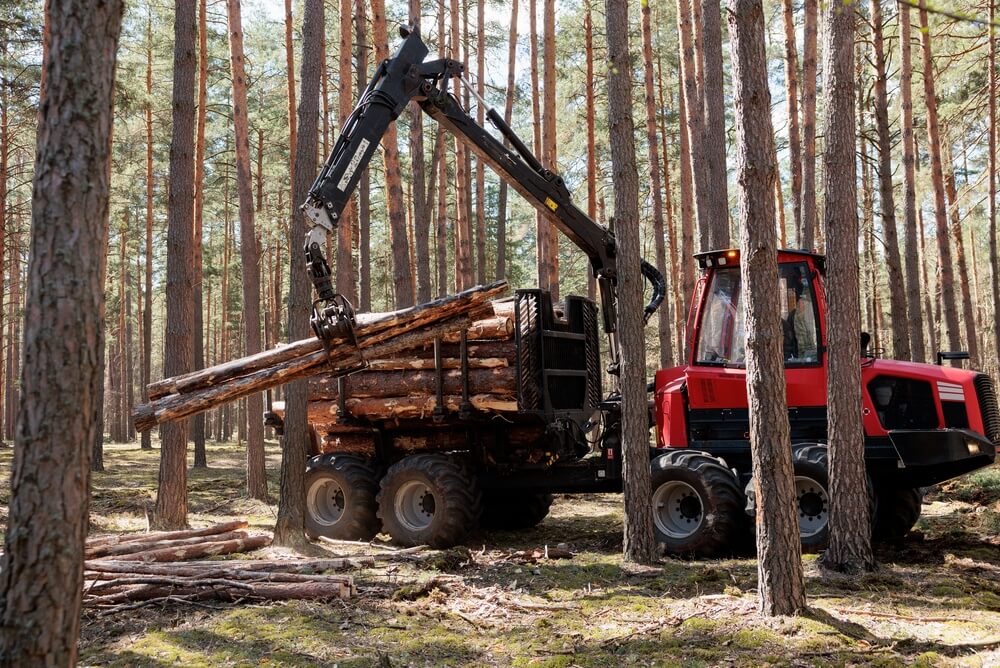
It is tempting to go for the largest, most capable harvester or forwarder available, but over-specifying your equipment is a direct path to unnecessary spending. A machine that exceeds your operational requirements costs more per day to rent, burns more fuel, and may actually be harder to manoeuvre in dense or uneven terrain — reducing your overall efficiency.
Start by clearly defining your job parameters:
- Tree species and average stem diameter
- Terrain gradient and ground conditions
- Volume of timber to be processed per shift
- Site access width and any environmental restrictions
Once you have this data, compare it against the specifications of available machines. For instance, a mid-size tracked harvester is often more than sufficient for thinning operations in second-growth forests, and will cost considerably less per day than a full-size high-capacity model designed for old-growth timber. Similarly, forestry mulchers come in a range of power ratings — matching the machine to your vegetation density avoids overspending on capacity you simply will not use.
Consulting a rental specialist before booking also pays off. A good provider will help you identify the most cost-efficient machine for your specific application rather than simply pushing the highest-margin unit.
Reduce fuel and maintenance costs during the rental period
Fuel and on-site maintenance are two of the largest hidden costs in any forestry equipment rental arrangement. Many operators focus entirely on the rental rate and overlook these operational expenses — which can easily add 20 to 40 percent to the total cost of a project.
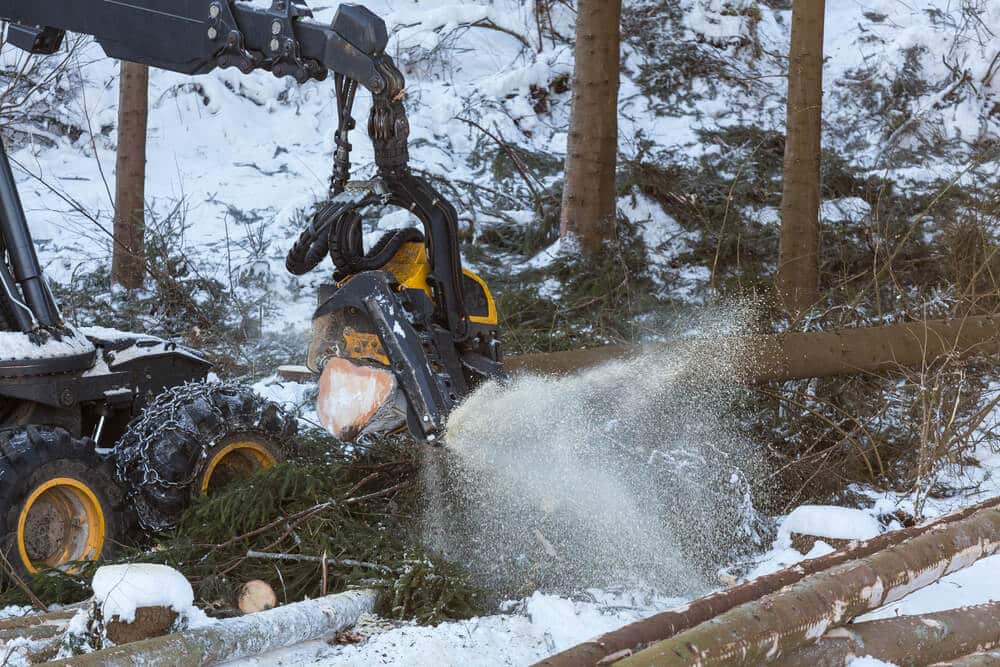
To keep fuel costs in check, ensure that your operators are properly trained on the specific machine they are using. Modern harvesters and forwarders are equipped with eco-mode settings and automatic idle functions that can reduce fuel consumption by 10 to 20 percent during non-productive periods. Activating these features and training operators to avoid unnecessary idling makes a measurable difference over the course of a multi-day rental.
On the maintenance side, clarify responsibilities with the rental provider before the job begins. Most rental agreements require the operator to carry out daily checks including hydraulic fluid levels, track tension, and filter inspections. Failing to perform these checks can lead to breakdowns that halt production and may result in damage charges at the end of the rental period. Build a simple daily maintenance checklist into your site routine to protect yourself from unexpected end-of-rental fees.
Negotiate smarter rental agreements and understand your contract
The rental contract itself is often where significant savings — or losses — are made. Many forestry contractors sign agreements without fully understanding the terms around damage liability, fuel policies, overtime hours, and early return credits. Taking time to read and negotiate your rental contract can save hundreds or even thousands of dollars per project.
Key clauses to review and potentially negotiate include:
- Damage waiver options — some providers offer daily damage protection packages that are cheaper than paying full replacement costs in the event of an incident.
- Fuel policy — understand whether you are returning the machine full or paying a flat refuelling fee, and calculate which is more economical for your usage pattern.
- Early return policy — if your job finishes ahead of schedule, confirm whether you can return the machine early and receive a partial refund or credit.
- Overtime and after-hours usage fees — know the thresholds before exceeding them unintentionally.
Building a long-term relationship with a reliable rental partner also creates leverage for better rates over time. Repeat customers who book consistently and return equipment in good condition are far more likely to receive priority pricing, loyalty discounts, and preferential availability during peak seasons.
Track your rental ROI to improve future decisions
The most overlooked cost-saving strategy in forestry machinery rentals is simply measuring performance. After each project, take the time to review your total rental expenditure against the output achieved — timber volume processed, hectares cleared, or hours of productive machine use.
This data serves multiple purposes. It helps you identify which machines delivered the best value for a given task, which rental providers offered the most competitive and transparent pricing, and where operational inefficiencies cost you time or money. Over multiple projects, this information builds into a powerful decision-making resource that continuously improves your cost-per-cubic-metre or cost-per-hectare metrics.
You can track this with a simple spreadsheet covering rental cost, fuel consumed, machine hours, and output volume. The goal is not complexity — it is consistency. Even basic tracking reveals patterns that experienced contractors use to negotiate better rates and plan more efficient operations season after season.
Conclusion
Reducing costs on forestry machinery rentals is not about cutting corners — it is about making informed, strategic decisions at every stage of the process, from initial planning through to contract review and post-project analysis. By choosing the right machine, planning your rental period precisely, managing fuel and maintenance proactively, and negotiating smarter agreements, you can significantly improve your ROI on every project. Ready to find the best forestry machinery rental solutions for your next operation? Explore our full range of equipment options and expert guides at Harvesting Machine Rentals — and start making every rental count.