
The forestry industry has undergone a remarkable transformation over the past two decades, and modern forestry machines are at the heart of this shift. Far from the heavy, fuel-guzzling equipment of the past, today’s harvesters, forwarders, and forestry mulchers are engineered with environmental performance as a core design priority. Understanding the environmental benefits of modern forestry machines is essential for contractors, land managers, and forestry companies who want to operate efficiently while minimizing their ecological footprint. From reduced soil compaction to lower emissions, the advances are significant — and they come hand in hand with improvements in productivity and operator safety.
Reduced soil disturbance and forest floor protection
One of the most visible environmental improvements in contemporary forestry equipment is the dramatic reduction in soil compaction and ground disturbance. Traditional logging operations often left behind severely damaged forest floors, disrupting root systems, blocking natural water drainage, and triggering erosion that could take decades to reverse. Modern machines address this problem through several key innovations.
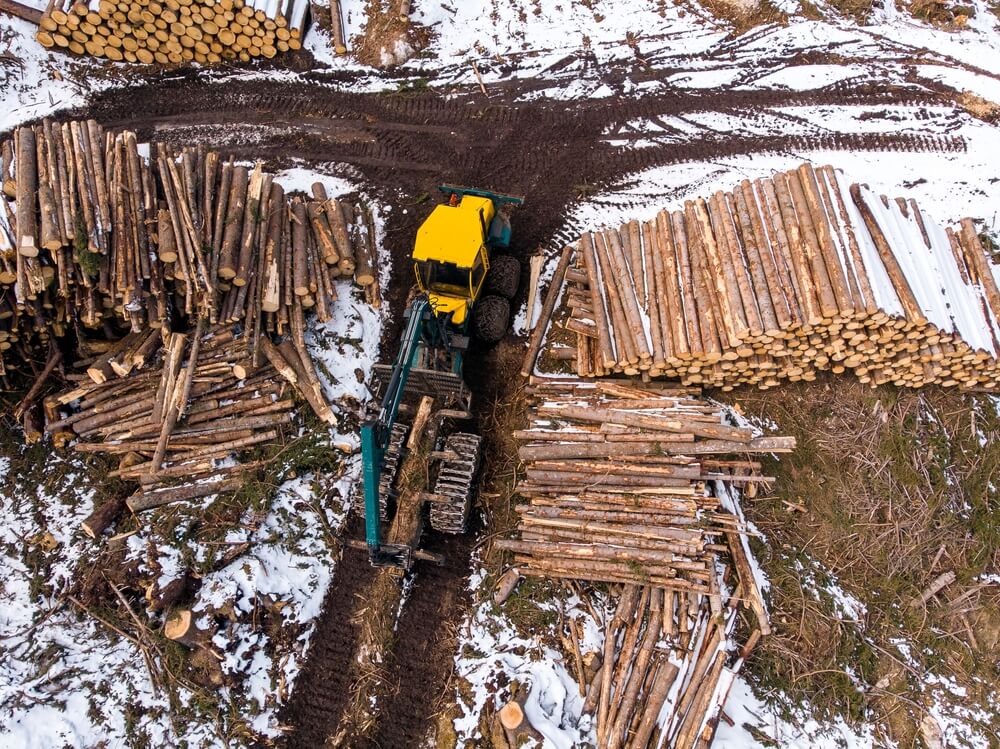
Wide, low-pressure bogie track systems and specially designed tires spread the machine’s weight across a larger surface area, significantly reducing the pressure exerted on the ground. Some of the latest forwarders and harvesters are equipped with terrain-adaptive undercarriages that automatically adjust to slope and soil conditions, further minimizing compaction on sensitive ground.
- Low ground pressure (LGP) track configurations reduce soil disruption on wet or fragile terrain
- Brush mat laying systems allow machines to drive over a protective layer of logging residue, cushioning the soil
- GPS-guided movement planning keeps machines on pre-designated strip roads, concentrating disturbance to narrow corridors
The result is a forest floor that recovers far more quickly after a harvest operation, supporting faster natural regeneration and protecting the biodiversity of the understory ecosystem. For sensitive environments such as riparian zones or areas with rare plant species, this level of precision is not just a benefit — it is a necessity.
Lower emissions and improved fuel efficiency in modern forestry machines
The evolution of engine technology has been one of the most impactful contributors to the environmental sustainability of forestry operations. Modern forestry machines are now equipped with Stage V compliant diesel engines across European markets, and equivalent Tier 4 Final engines in North America. These power units burn fuel far more cleanly than their predecessors, producing substantially lower levels of particulate matter, nitrogen oxides, and carbon monoxide.
Beyond cleaner combustion, manufacturers have invested heavily in fuel efficiency technologies that reduce overall fuel consumption. Hybrid drive systems, intelligent engine load management, and automatic idle-shutdown features all contribute to machines that produce fewer emissions per cubic meter of timber processed. Some manufacturers, including Ponsse and John Deere, have begun introducing machines compatible with hydrotreated vegetable oil (HVO) fuels, which can reduce lifecycle carbon emissions by up to 90% compared to conventional diesel.
Electric and hybrid prototypes are also beginning to emerge from major manufacturers, pointing to a future where zero-emission forestry machinery becomes commercially viable. For contractors and forestry companies looking to meet increasingly stringent environmental regulations and corporate sustainability targets, investing in or renting newer-generation machines is already making a measurable difference.
Precision harvesting and reduced waste
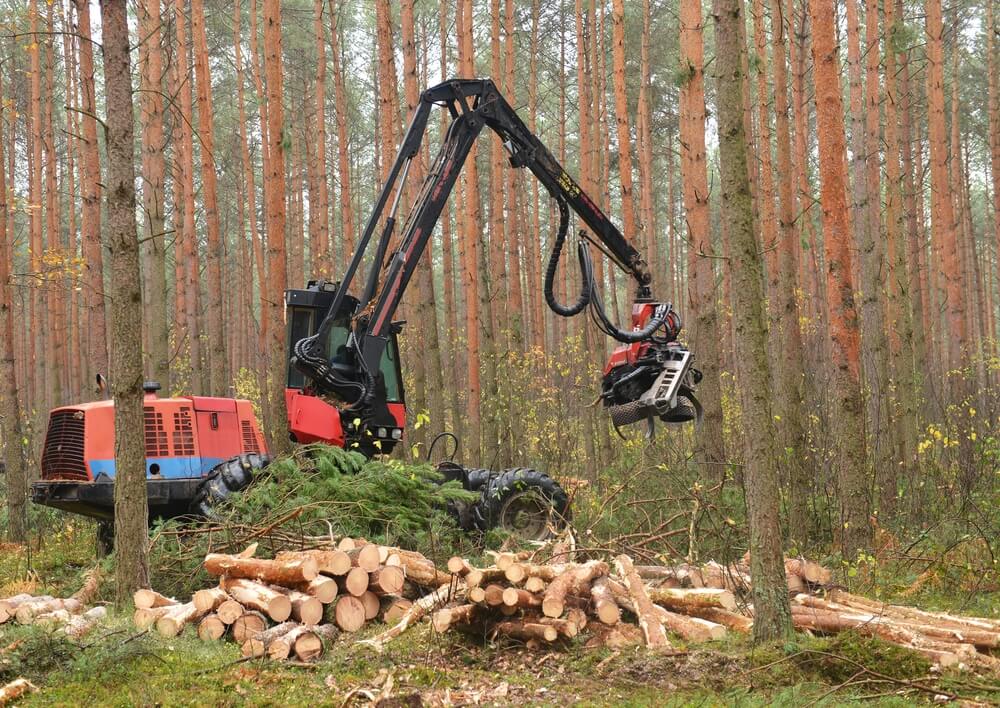
Modern forestry machines do not just move through a forest — they process it with extraordinary precision. Advanced harvesting heads fitted with computerized measuring and cutting systems can optimize each log’s length and diameter in real time, ensuring that timber is cut to maximize value while minimizing waste. This data-driven approach to harvesting is a significant environmental advantage.
When less material is wasted, more value is extracted from each tree that is felled. This means that the same volume of timber can be harvested from a smaller area, reducing the total footprint of an operation and allowing more of the forest to remain undisturbed. Cut-to-length harvesting systems, which process trees at the stump rather than transporting whole stems to a central landing, also significantly reduce the movement of machines through the stand, limiting disturbance and fuel consumption.
Additionally, modern machines can generate detailed harvesting reports that feed directly into forest management planning systems, helping landowners and managers make more informed decisions about rotation cycles, thinning intensity, and regeneration strategies. This data-driven forest stewardship supports healthier, more resilient forests over the long term.
Protecting biodiversity and sensitive habitats
Responsible forest management must consider more than just the trees being harvested — it must account for the entire ecosystem, including wildlife habitats, water bodies, and rare plant communities. Modern harvesting technology supports this broader ecological responsibility in ways that were simply not possible with older equipment.
High-definition cabin displays and GPS integration allow operators to see real-time maps of environmentally sensitive zones, ensuring that buffer strips around streams, wetlands, and nesting sites are respected without constant manual marking on the ground. Some systems even integrate with national forest management databases to automatically flag protected areas and enforce exclusion zones during operation.
- Hydraulic reach of modern harvesting cranes allows trees near sensitive areas to be felled and extracted without the machine entering those zones
- Selective thinning capabilities let operators remove specific stems without disturbing surrounding vegetation or wildlife corridors
- Reduced noise and vibration levels in newer machines cause less disturbance to wildlife during operations
These capabilities make it far easier for forestry operations to achieve and maintain sustainability certifications such as FSC (Forest Stewardship Council) and PEFC (Programme for the Endorsement of Forest Certification), which are increasingly required by timber buyers and end-use markets globally.
Conclusion: choosing the right equipment makes an environmental difference
The environmental case for modern forestry machines is clear and compelling. From protecting soil structure and reducing carbon emissions to enabling precision harvesting and safeguarding biodiversity, today’s equipment sets a new standard for sustainable forest operations. Whether you are a forestry contractor evaluating your fleet, a land manager planning your next harvest, or a company looking to align your operations with environmental best practice, choosing the right machinery matters enormously. Explore our equipment guides, rental options, and expert comparisons at Harvesting Machine Rentals to find the solutions that best support your operational and environmental goals — and get in touch with our team today to discuss the right machines for your next project.